
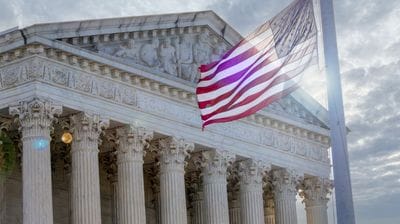
Granting an emergency petition by a group of California parents, the Supreme Court today allowed a California-wide permanent injunction to go into effect which bars California “policy” regarding student gender expression at school and parental notification.
Plaintiffs, along with a group of California teachers, challenged various California policies and guidance that instructed schools not to disclose a student’s gender identity expressed at school to that student’s parents unless the student consented. Citing the recent Mahmoud v. Taylor decision on religious opt-outs to instruction that interferes with parents’ rights to direct the religious upbringing of their children, the Supreme Court held that the parents were likely to succeed in the State’s pending appeal of the injunction to the Ninth Circuit. The unsigned order–joined by six Justices–observed that policies that require or encourage staff not to disclose a student’s gender identity expressed at school to that student’s parents interferes with the parents’ free exercise rights to guide their child’s religious upbringing as well as the parents’ procedural due process right to make medical decisions on behalf of their children. The Court addressed the State’s concern regarding the safety of pupils by observing that the State could meet those concerns with a narrower policy addressing disclosure to parents “who would engage in abuse.”
The injunction which now goes into effect is far reaching and strikes down any policy in California that bars teachers from disclosing a student’s gender identity to that student’s parents. Read in light of the Supreme Court order, districts are encouraged to check with their legal counsel whether teachers or administrators must now disclose a child’s expression of gender identity to parents.
The Supreme Court on Monday blocked a California education policy that restricts teachers from informing parents about a student’s gender expression, pausing an approach the state says is intended to protect trans minors from rejection and abuse at home.