
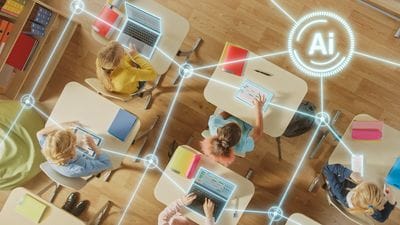
A recent report from the Center for Democracy and Technology (CDT), highlighted in K-12 Dive, underscores both the promise and peril of using generative AI in special education. The findings reveal that nearly 60% of special education teachers have integrated AI into their work on IEPs and 504 plans—a remarkable 18-point jump in just one year. This surge signals not just enthusiasm for innovation, but also a recognition that AI can streamline administrative burdens and free teachers to focus on what matters most: direct, personalized support for students. With some educators saving the equivalent of six weeks per year, the potential impact on burnout and staffing shortages is profound.
Yet, as CDT rightly cautions, this transformation cannot come at the expense of privacy, equity, or compliance. The power of AI to analyze data and identify learning patterns must be matched by strong safeguards that protect student information and preserve the individualized intent of IDEA. The path forward is clear: schools must provide structured training, clear ethical frameworks, and transparent communication with families. Done right, the thoughtful integration of AI can enhance—not replace—the human expertise at the heart of special education, ensuring that innovation serves every learner with integrity and care.
For the full article, please see:
Teachers are increasingly using generative artificial intelligence tools to support students with disabilities in ways that save time for educators and provide best practices for interventions and clear communication for students and parents, according to a new paper from the Center for Democracy and Technology.