
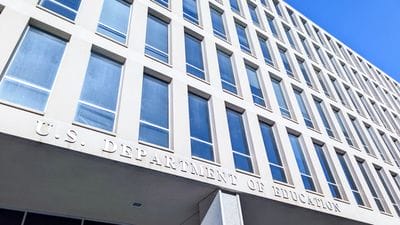
On Monday, September 28, 2026, the United States Department of Education announced that it was officially rescinding Biden-era Title IX rules and replacing them with new rules that mirror the 2020 Rules from the first Trump Administration.
In January of 2025, the Department issued a Dear Colleague letter announcing that it would return to enforcing the 2020 Rules, not the 2024 Rules, pending litigation. On Monday, the Department explained that all pending litigation and appeals had been resolved, clearing the way for this formal action rescinding the 2024 Rules and instating 2026 Rules. The new 2026 Rules reproduce the 2020 rules with four “minor” exceptions:
The non-reinstatement of a provision that prohibited decision-makers in postsecondary cases from relying on statements from parties or witnesses who were not cross-examined at a live hearing, and from making adverse inferences based on a party or witness’s non-participation;
The non-reinstatement of a cross-reference to a now-nonexistent appendix;
The non-reinstatement of the “adjustment period” that allowed recipients of federal funding a period of time to come into compliance with the regulation; and
The non-reinstatement of the one-year time frame to assess policies and make appropriate changes.
Hallmarks of the 2020 Rules included enhanced due process procedures for respondents and different investigation requirements for recipients of federal funding; a narrower definition of sexual harassment; and a narrower jurisdiction. A return to the 2020 Rules also means applying a narrower definition of “sex” which does not include gender identity and sexual orientation, resulting in the removal of Title IX protections for LGBTQ students.
Practically, little should change for local education agencies and higher education institutions who have been operating under the 2020 rules since the January 2025 decision by a District Court for the Eastern District of Kentucky vacating the 2024 Rules, effectively ending the 2024 Rules. Recipients of federal funds, including local education agencies and postsecondary institutions, should continue to look to state laws when responding to complaints that may fall outside the 2026 Rules’ definition of actionable conduct under Title IX.